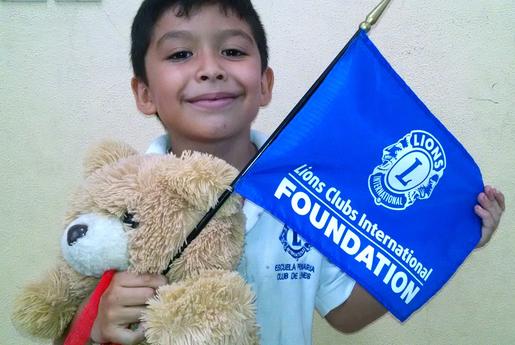
The Foundation of Service
Our mission is to empower Lions clubs, volunteers, and partners to improve health and well-being, strengthen communities, and support those in need through humanitarian services and grants that impact lives globally, and encourage peace and international understanding.
Stories at the Heart of Service
Behind every LCIF grant, there’s a story filled with inspiration, impact and kindness.

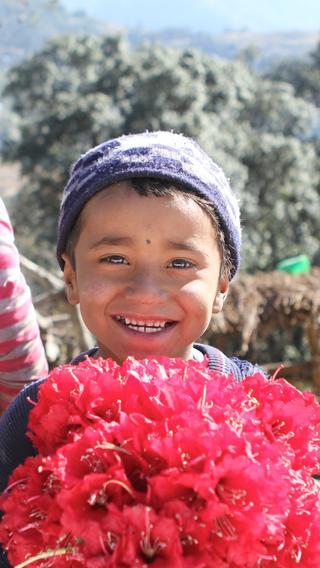
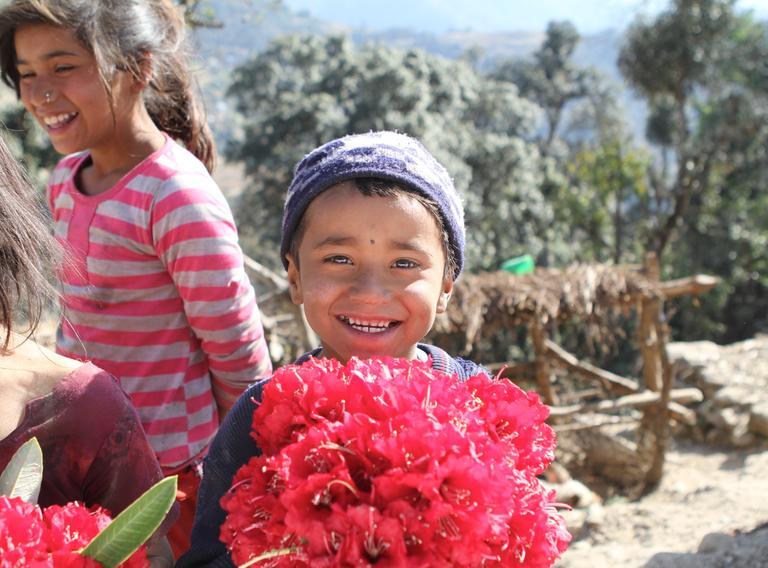
There When Your Community Needs Us
LCIF is your foundation—and together, we can respond quickly for a powerful impact. Magnify your service.
Vision
We are a world leader in the effort to prevent avoidable blindness, and we’re diligently working with Lions clubs and local partners to help provide the local capacity building, training, medications and treatment needed for those with eye diseases and to provide disability rehabilitation and education for all.
Youth
We are committed to providing youth and young adults with opportunities to succeed. The Lions Quest program provides young people and their educators with tools to make positive choices, resist drugs and alcohol, learn through service and become healthy young men and women.
Disaster Relief
When disaster strikes, we respond. We provide funding to address preparedness and immediate needs that allow Lions and their partners to be among the first on the scene in the wake of the world’s most devastating hurricanes, earthquakes, floods and other disasters.
Humanitarian
Lions take action in their communities, working face-to-face with the people they serve. We support the wide variety of humanitarian efforts implemented and coordinated by Lions and give grants to increase their scale and effectiveness.
Diabetes
We are providing support to help Lions educate the public and establish programs around one of our new global focus areas: diabetes.
Childhood Cancer
Across the globe, too many children are being affected by cancer. We’re helping Lions establish programs and provide greater service and access to care for those diagnosed—giving hope to them and their families.
The Environment
We are working with Lions to preserve our planet, knowing that the health of our local communities and environments affects us all. Our goal is to help establish a sustainable future for generations to come.
Hunger
We help provide healthy meals for the hungry and work to establish strategies and greater capacity for communities in which food is scarce.
